The Extra Words
Some things look straightforward until you examine the structure underneath. These articles are the result of that examination; explorations at the intersection of technology, marketing, human behaviour, business strategy, and the patterns that connect them.
Analytical in approach. Lateral in perspective. Written for people who don't mind diving a little deeper.

The quest for “better visibility” may start with a simple digital presence, leading to getting caught up with the performance marketing whirlwind, only to discover it leads to paying for the privilege of spending more time at becoming a marketeer.
Performance marketing says: "Cast wide, sort later." Strategic brand building says: "Be so clear about your values that quality prospects identify themselves." The businesses getting this right aren't chasing more customers. Instead, they're using methodologies where the right customers find them.

“So… what is it that you do?”
A simple question. Until it isn’t.
For those of us whose work doesn’t fit neatly into categories, answering it can become surprisingly complicated.
In this article, I explore the paradox of roles that resist tidy titles. I share two deceptively simple questions I often ask to uncover deeper purpose, and reflect on the Japanese concept of Ikigai; a compass for aligning passion, skill, contribution, and value.

The true shape of company culture extends far beyond formal structures and job descriptions. The unspoken rules, coffee break conversations, and silent leadership; informal relationships at work are the real drivers of success and retention.

Why celebrate dubious achievements while ignoring fundamental flaws, misconceptions or marketing spin? The reasons go deeper than politeness or professional courtesy.
The cost of silence is always higher than the discomfort of truth. The real question isn’t whether your industry has uncomfortable realities. It’s whether you’re brave enough to talk about them before they become tomorrow’s headlines.

The EU AI Act marks a defining moment in global tech governance. Not as a bureaucratic obstacle, but as a bold ethical stance. As AI systems become increasingly influential in shaping societies, the European Union has taken a values-first approach; prioritising transparency, accountability, and human rights over unchecked innovation.
This article explores how the Act reframes regulation as a democratic safeguard, challenges the economic status quo of algorithmic power, and positions Europe’s framework as a blueprint for responsible AI worldwide. In doing so, it raises an urgent question: not whether we should regulate AI, but whether we can afford not to.

Well, here we are again. Another day, another cheerful email from a company letting me know that my data has gone on an unscheduled field trip. This is the umpteenth time a company has reported a data breach. Or rather, bothered to admit one. It's one in a long, drearily predictable line of privacy and security invasions, once again, I'm left to watch helplessly from the digital sidelines.
Scaling up a business shouldn’t mean scaling down humanity.
Yet too often, that's exactly what happens. In the race for efficiency, we optimise systems while quietly accumulating "human debt"; the hidden cost of neglecting empathy, ethics, and neuro-inclusion in corporate life.
This article looks at the real consequences of misaligned onboarding, perverse incentive structures, and cultures that reward conformity over contribution. And it makes the case for a different kind of growth: one that treats people not as resources to manage, but as potential to unlock.

Are public debates forcing you to pick a side? Is symptom-focused governance ignoring root causes and, instead, weaponising our human contradictions? From parking permits to migration policies, public discourse is being shaped by moral misdirection. Counter-marketing might help us flip the script. But are we ready for it?

Strength and Power are not the same thing. Unfortunately, in many organisations, we reward confidence over competence, noise over nuance. What if we would promote the quiet force of strength, the kind that builds trust, invites humility, and supports sustainable leadership?
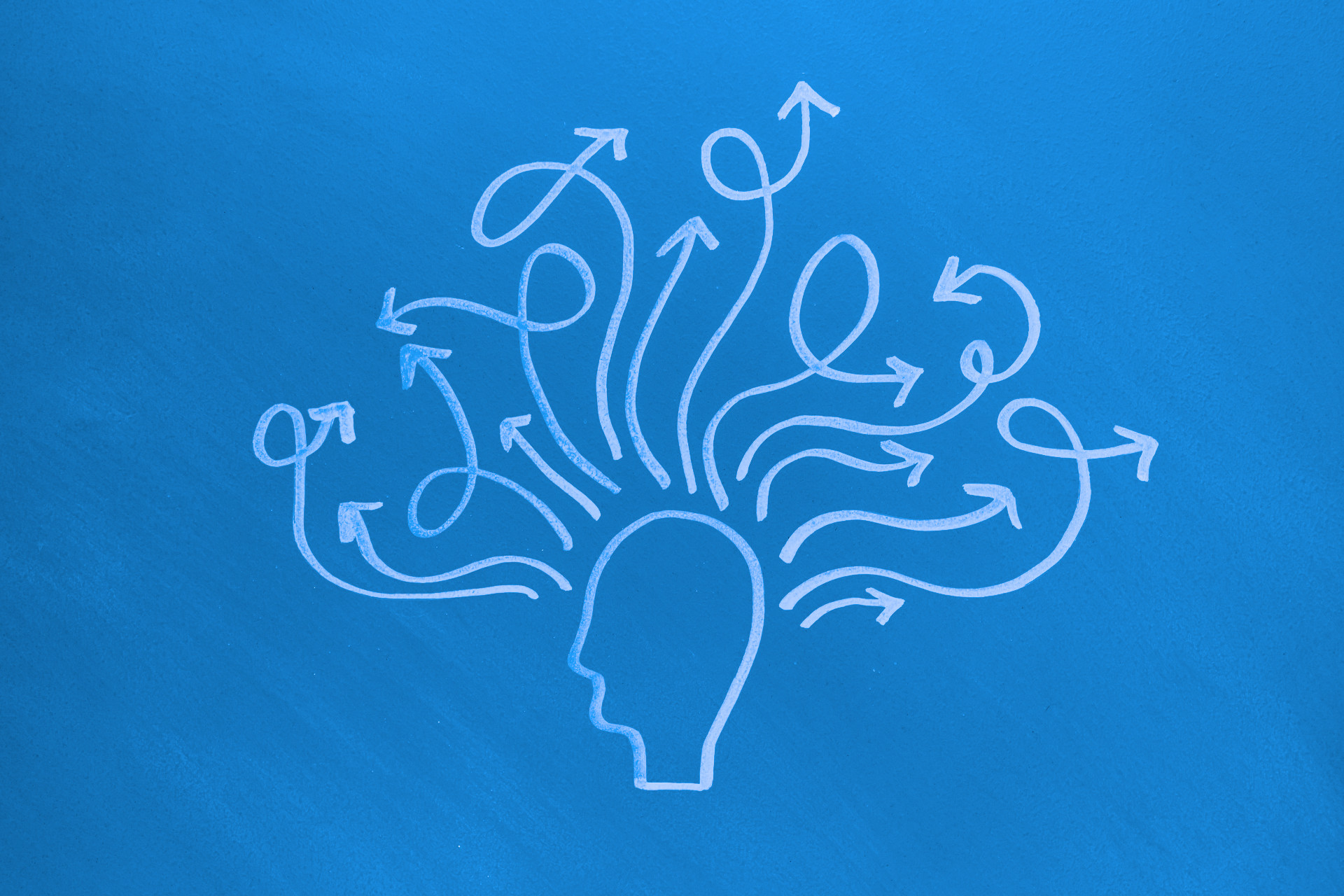
Ever felt like your mind is spinning at full speed, while your work is stuck in first gear? You're not lazy. You're likely underused. And you’re not alone. There’s a lot of talk about burnout. But what about bore-out? The slow, silent drain of creativity and energy that happens when bright minds are left unstretched, unseen, or miscast in traditional roles? It’s more common than you think, and it’s time we address it.

Why do some business deals seem perfect on paper but fail in execution? How come clients move away from a decision? Many organizations struggle to predict and influence partnership or customer decisions accurately. Traditional approaches often emphasize tangible factors like financial projections while undervaluing psychological and relational elements. As a result, promising collaborations either never materialize or quickly deteriorate due to misaligned motivation.

Ten years into building LMNS, one thing has become crystal clear: the traditional structures of business collaboration are fundamentally misaligned with how many independent experts actually want to work together and participate in projects across Europe.

In today's fast-paced corporate environments, prioritizing human well-being has become increasingly important. Research by Gallup demonstrates that companies with highly engaged employees outperform their competitors by up to 147% in earnings per share. Yet, many organizations struggle to create environments that genuinely prioritize employee satisfaction and engagement.

There's a quiet strength in borrowing. Not theft. Not imitation. But a creative, deliberate act; drawing from what has been said or sung before, not to replicate it, but to reframe it. Borrowing as a homage. To respond. To carry forward.
The contemporary tendency to dismiss modern music as "uncreative", where sampling is branded as antithetical to true musicianship, reveals a fundamental misunderstanding of how culture actually evolves.

What if the key to unlocking unprecedented innovation lies not in artificial intelligence alone, but in its synergy with the naturally creative neurodivergent mind? As organizations worldwide rush to implement AI solutions, a remarkable opportunity emerges at the intersection of technology and human cognitive diversity. Yet, how can we harness this potential without inadvertently suppressing the very creativity we seek to amplify?
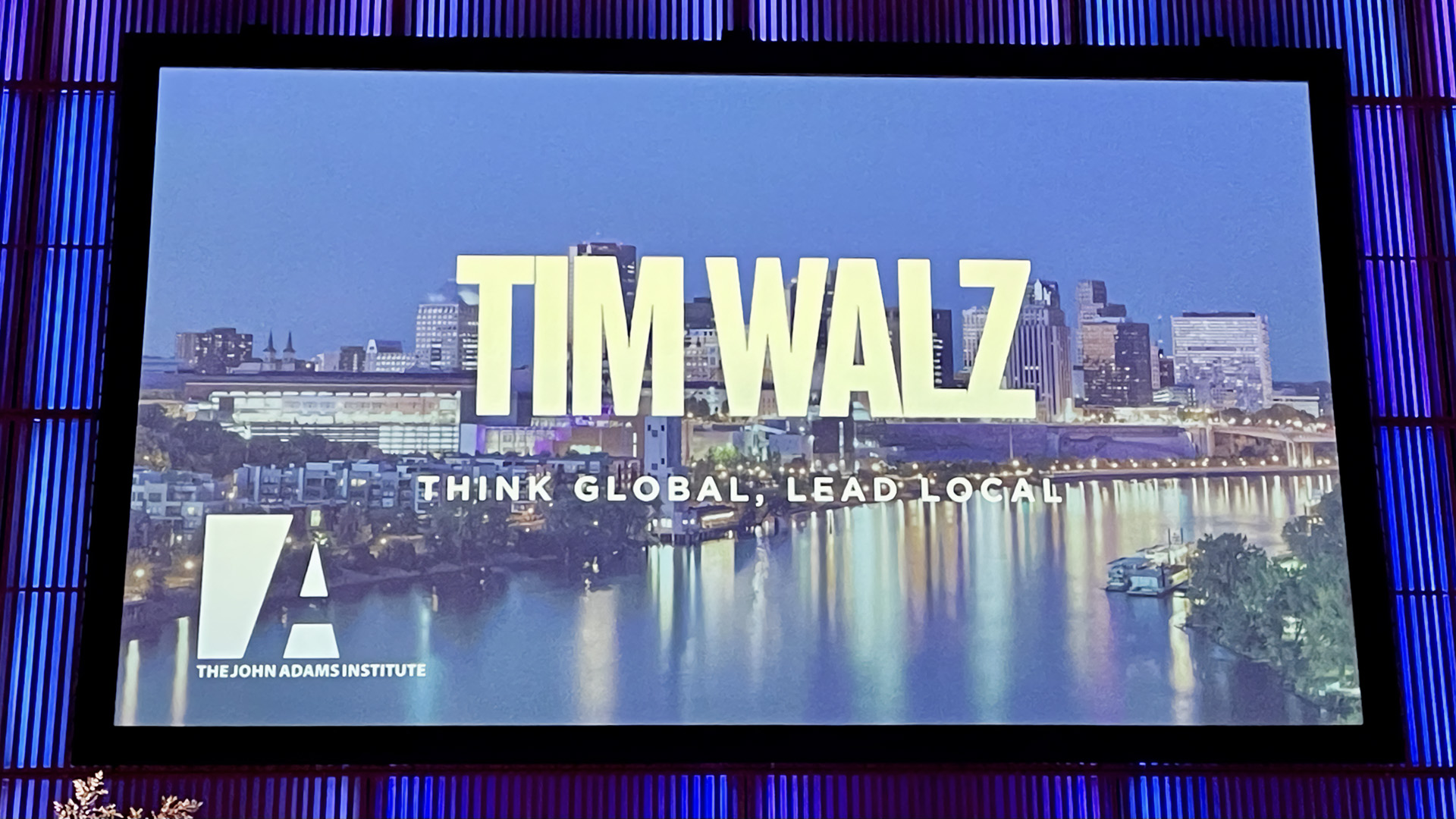
"We all do better when we all do better" - A collaborative approach to business and politics.
Laila Frank and Anna van Zoest speaking with Tim Walz during a John Adams Institute event in Amsterdam under the title of "Think Global, Lead Local".
With reference to Brainport Eindhoven and how a collaborative approach can lead to reciprocity.