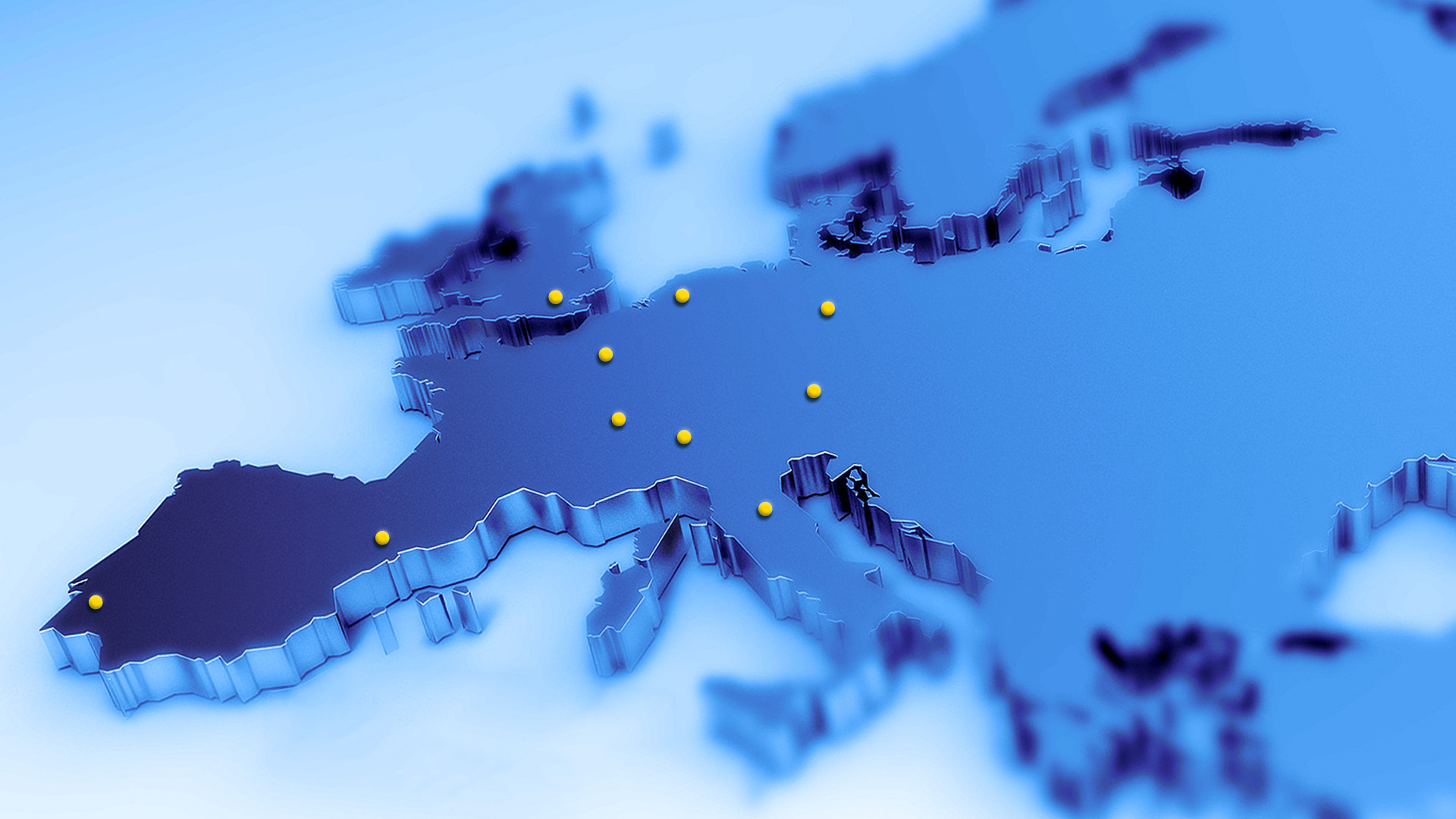
Ten years into building LMNS, one thing has become crystal clear: the traditional structures of business collaboration are fundamentally misaligned with how many independent experts actually want to work together and participate in projects across Europe.

In today's fast-paced corporate environments, prioritizing human well-being has become increasingly important. Research by Gallup demonstrates that companies with highly engaged employees outperform their competitors by up to 147% in earnings per share. Yet, many organizations struggle to create environments that genuinely prioritize employee satisfaction and engagement.

There's a quiet strength in borrowing. Not theft. Not imitation. But a creative, deliberate act; drawing from what has been said or sung before, not to replicate it, but to reframe it. Borrowing as a homage. To respond. To carry forward.
The contemporary tendency to dismiss modern music as "uncreative", where sampling is branded as antithetical to true musicianship, reveals a fundamental misunderstanding of how culture actually evolves.

What if the key to unlocking unprecedented innovation lies not in artificial intelligence alone, but in its synergy with the naturally creative neurodivergent mind? As organizations worldwide rush to implement AI solutions, a remarkable opportunity emerges at the intersection of technology and human cognitive diversity. Yet, how can we harness this potential without inadvertently suppressing the very creativity we seek to amplify?
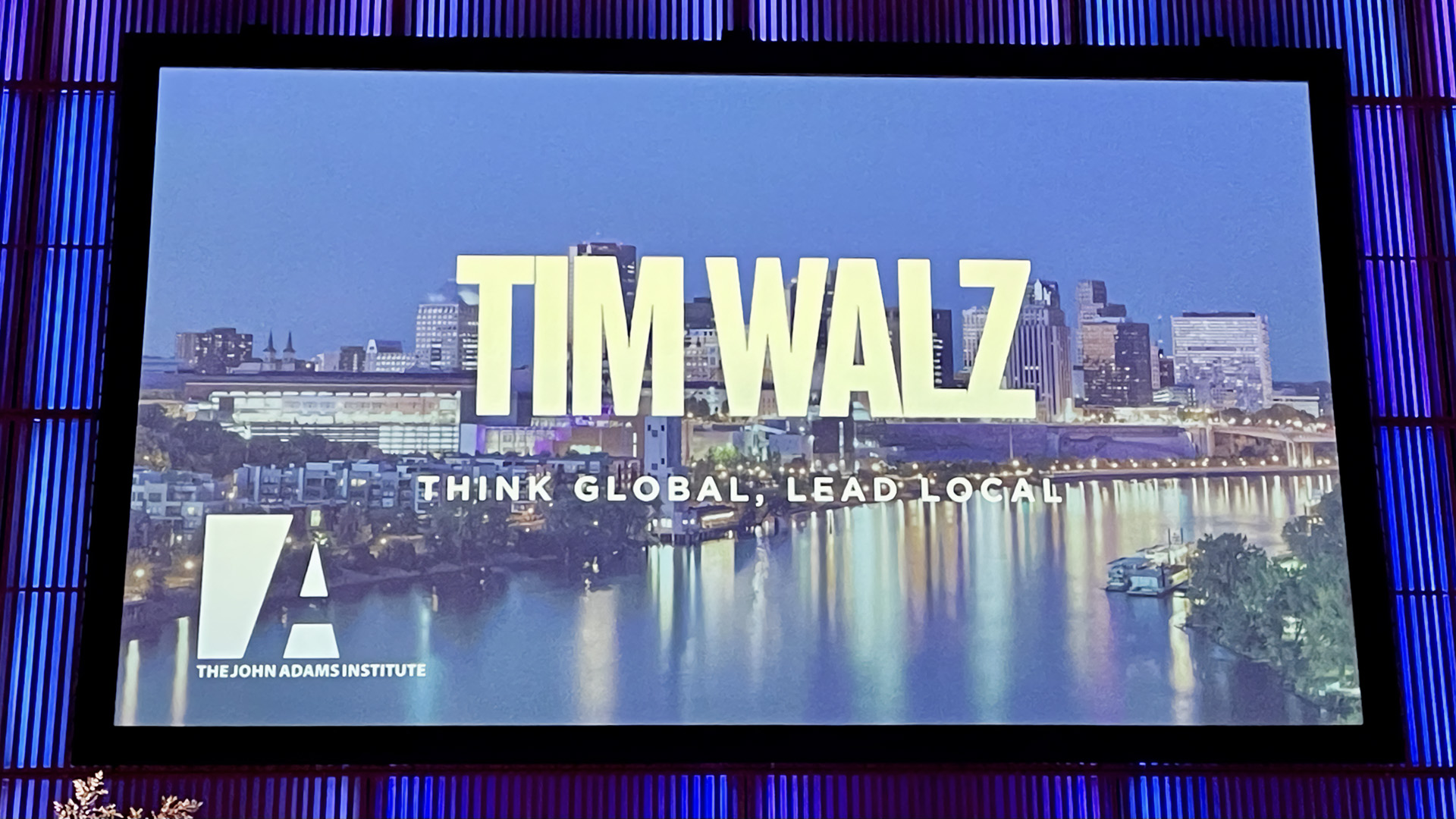
"We all do better when we all do better" - A collaborative approach to business and politics.
Laila Frank and Anna van Zoest speaking with Tim Walz during a John Adams Institute event in Amsterdam under the title of "Think Global, Lead Local".
With reference to Brainport Eindhoven and how a collaborative approach can lead to reciprocity.

This case study demonstrates how strategic assessment can transform organizational clarity into market advantage. The methodology revealed that even strong organizations benefit from understanding not just what they do, but how effectively they communicate why they do it.

Ik zie ze vaak. De mensen die net op weg zijn. Waarheen? Geen idee. Maar ze zitten in hun auto […]
The Perception Information Model (PIM) provides the diagnostic framework we need. Through a comprehensive assessment of Qobuz, we uncovered a company with exceptional strategic clarity undermined by a critical operational blind spot which threatens everything they've built.
Mijn hoofd is een hele wereld. De echte wereld slechts de rest. Ik leg verbanden waar anderen beperkingen zien. Ik ervaar ruimte […]
We zaten in de auto. En dan hebben we altijd wel iets te kletsen. Ik begon mijn volgende zin met […]

Eindhoven, 18 maart 2026 Vandaag lopen miljoenen Nederlanders een stemhokje in, pakken een rood potlood, en kleuren een cirkel naast […]
These are borrowed words, for they have been uttered before. The letters that form these words are but a few, […]
That moment when you realize you’re waking up from a trip into music. Time has passed, but you’re uncertain how […]
How a Police Campus Became a Mirror of Administrative Drift (September, 2025) There are moments when a map tells more […]
Ik zie een melding op mijn tijdlijn. Het zegt iets over asielzoekers en veiligheid voor vrouwen op straat. Op een […]